Freedom Corner: Notices & Warnings for Town Meetings
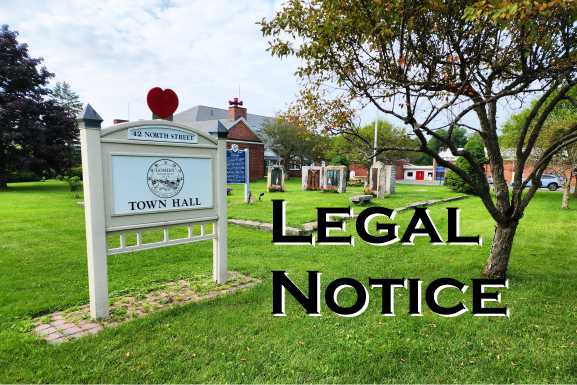
How can concerned citizens keep up with what is happening in Town, and particularly, how can they find out about important town meetings where decisions will be made that affect their lives? In our conversations with several town officials it was suggested that if you want to know what is happening in town, all you need do is visit the town website. If you don’t do that, the responsibility lies with you, they suggested.
Knowing that there is an upcoming annual Town Meeting on November 20th and that the Public Hearing before the Planning & Zoning Commission for the new Municipal Storage Building will be held on Nov. 28th, The Goshen News tried to do just that. What we found was that on the front page of the Town website there is no warning of either of these meetings, and as a practical matter one would have to already know these meetings are scheduled and would have to look for them on the November Calendar, which is also not visible on the front page.
When we asked, we were told that there is a statutory time limit for announcing these meetings: 5 days before the meeting. But 5 days is just the minimum notice. There is no maximum time restriction in the law, so nothing prevents the Town from providing these notifications and warnings much earlier. (See excerpt from the State law, below). As a number of concerned Goshenites have expressed dismay that just 5 days’ notification is insufficient for them to arrange their schedules to attend, it begs the question as to why they just aren’t sent out sooner.
Here's the text of CGS Sec. 7-3. Warning of town and other meetings.
“The warning of each town meeting, and of each meeting of a city, borough, school district or other public community or of an ecclesiastical society, shall specify the objects for which such meeting is to be held. Notice of a town meeting shall be given by posting, upon a signpost or other exterior place near the office of the town clerk of such town and at such other place or places as may be designated as hereinafter provided, a printed or written warning signed by the selectmen, or a majority of them, and by publishing a like warning in a newspaper published in such town or having a circulation therein, such posting and such publication to be at least five days previous to holding the meeting, including the day that notice is given and any Sunday and any legal holiday which may intervene between such posting and such publication and the day of holding such meeting, but not including the day of holding such meeting; but any town may, at an annual meeting, designate any other place or places, in addition to the signpost or other exterior place at which such warnings shall be set up. nearest to the office of the clerk of such city or borough or at such place or places as may be designated by special charter provision, a written or printed warning signed by the mayor or clerk in the case of a city or by the warden or clerk in the case of a borough, and by publishing a like warning in a newspaper published within the limits of such city or borough, or having a circulation therein, at least five days previous to holding the meeting, including the day that notice is given and any Sunday and any legal holiday which may intervene between such posting and such publication and the day of holding such meeting, but not including the of holding such meeting.”
In short, there is nothing preventing the Town from providing Goshen residents with better and earlier advance notification of important meetings. That would allow them to better fulfill their responsibility to actively participate in our Town Meeting form of government. The people of Goshen are the Town’s legislative body.
The current practice of limiting notice to just 5 days also engenders mistrust of Town government by our residents. The Goshen News has been hearing from a number of residents that many of the issues decided at these meetings have already been planned and voted upon by all the necessary boards and commissions without public input, thereby eliminating public input. What is left to the public is to an up or down vote on the issue(s) of the day, rather than allowing townspeople a role in shaping the proposals before making a final decision.