NHCOG: Economic Development Experts, Consultants, Residents Brainstorm Winsted Downtown Revitalization
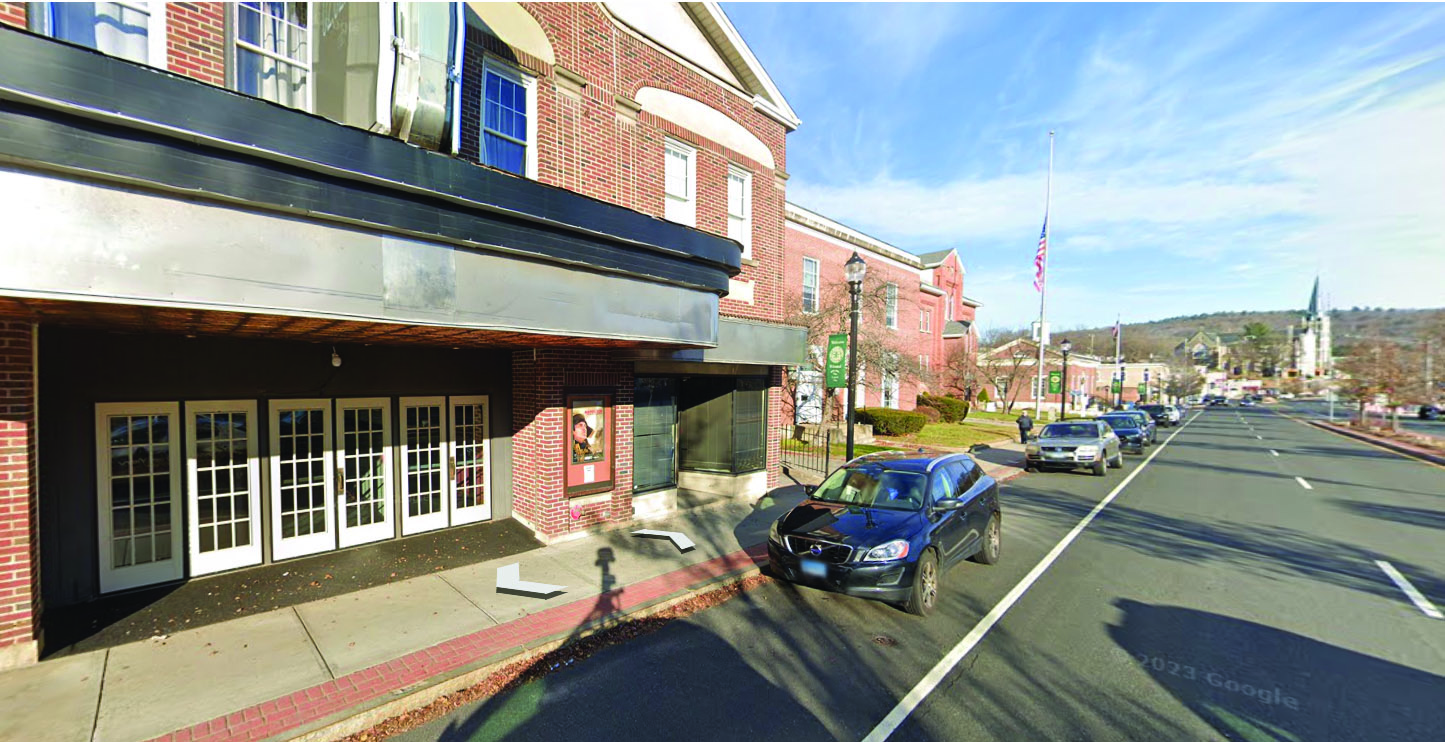
Downtown Winsted/Courtesy Google Earth
8/10/26
A group of consultants and regional economic development experts are gearing up to transform downtown Winsted. The former mill town is a prime candidate to attract investment and population growth from other parts of New England and the tri-state area, one consultant said.
Sean Bourgeois, an economist with the Daedalus Advisory Services firm, said at an Aug. 10 public information session hosted by consultants and members of the Northwest Hills Council of Governments (NHCOG) that the town is experiencing some growth. However, Bourgeois said it could be doing more to maximize its marketable perks.
Efforts to revitalize Winsted downtown come after NHCOG and the town last year received funding from the State of Connecticut to study how to further economic development in the town’s center. The funding is part of the Brownfield Area Revitalization (BAR) Planning Grant program from the Connecticut Department of Economic and Community Development (DECD). BAR is meant to help Winsted develop a comprehensive redevelopment strategy for downtown.
“It's not intended to be a five-or-10-year visionary plan,” said Rista Malanca, NHCOG’s director of economic and community development. “It's intended to be a redevelopment plan that we can start using and taking off the shelf before it's even complete.”
Malanca said the plan is to redevelop old industrial buildings. These buildings, she added, were once important contributors to the local economy.
“From creating jobs to creating vibrancy and industry that kept our communities thriving, but now need to be reimagined,” Malanca said. Malanca said the town will use the plan for redevelopment, while also looking for opportunities to continue urbanizing Winsted. Some urban design ideas include trail and roadway development, and walkability.
Malanca said property owners, the town’s government, and community members who can “understand the town’s vision” will all be involved.
The plan will require constant and clear communication among stakeholders, she noted. To do so, Malanca said, NHCOG hired Haley Ward, a New England-based design firm, to help with outreach.
At the Aug. 10 meeting, another consultant provided a market analysis of Winsted. Bourgeois of Daedalus was at the meeting to present economic development data that is meant to help shape the plan.
Winsted said the Town should start by developing a marketable identity based on its history and other social characteristics. Winsted is part of the Litchfield Hills region. The towns that belong to that region have already adopted some of those identities. For instance, Woodbury is known nationally as a destination for those who are looking for antiques.
“And that's an opportunity for us because that means you can define what that identity means,” Bourgeois said.
Small towns like the ones surrounding Winsted, Bourgeois said, should band together and adopt synergistic identities.
“Every town is in competition with other towns for businesses and residents and things like that,” Bourgeois said. “But it's also working together with them because smaller towns tend to rely on other towns around them to meet at least some of their needs. So this is a way that one town can help to support others as they're also supporting you.”
Part of building that new identity necessitates an understanding of historical trends and the town’s current characteristics. For instance, a profile of Winsted analyzed by Bourgeois showed that some of the town’s assets are its walkable main street. Some of its issues include household earnings being 25-30% lower than the regional average, Bourgeois said. One in four households earns below $25,000 and 5.5% of them earn $200,000 or more.
Despite some negative trends, people are steadily moving back to Winsted, he added. The most recent data presented by Bourgeois shows that residential vacancies have steadily decreased to 10.6% from 19% since 2019. Businesses have also proliferated. The number of businesses in the town has increased 15% from 2019.
To convert the town’s assets into factors that can help develop economic stimuli downtown, the town could look at its history as well. Bourgeois said the town could lean into its great reputation as a haven for antique lovers.
“Antiques hold great value because it is an open-ended interest that can cater to diverse tastes,” Bourgeois said.
“Antiques, for a lot of reasons, is a very interesting niche, and it's not always because you're selling furniture,” he added. “It's just about anything that's old enough to have a dedicated interest group who really wants to travel to see stuff.”
To get the ball rolling, the Town will have to amend downtown zoning for mixed-use buildings that will bring mixed-use development and will enhance the Town’s urban feeling. From there, the Town will secure widespread basic services like parking, walkability in the streets, and broadband internet.
“We're not making irreversible plays,” Bourgeois said. “ We're making larger plays that are generally valued by a whole range of different businesses and citizens and tourists who all want to see roughly the same things.”