Ripley Waterfowl Preserve & Sanctuary
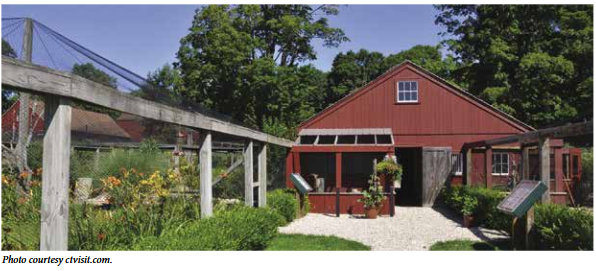
A special, almost magical place right here in Litchfield, is the Ripley Waterfowl Preserve and Sanctuary located on Duck Pond Road, crossing Milton Rd. just off Route 202 a few miles west of Litchfield Center.
On my arrival in early spring after the cancellation of our get together in March due to the threat of Avian Flue, I was heartily greeted by Logan Connor, Director of Aviculture at Ripley. Logan is one of our own. Growing up in Goshen, Logan learned early on about chickens from his grandfather, Walter Joray, aka,” Cookie”, who spent many years as Custodian at the Goshen Center School. Cookie also supervised the Poultry Barn, at the Goshen 4-H and Agricultural Fairs. He would often be found just outside the barn in his famed rooster costume, welcoming everyone. Logan, has assumed his grandfather’s welcoming, caring nature, and so much more. He first began as an intern at Ripley, through WAMOGO’s Agricultural Program, and has continued there, expanding his knowledge, familiarizing himself with new and rare species, igniting his passion. Logan continued at Unity College in Maine, with a focus on Avian studies. He returned to Ripley’s, between sessions, and after graduating has continued at Ripley ever since, some 15 years, now. He currently lives on the premises, available for emergencies and opportunities!
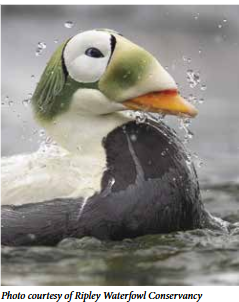
Ripley Waterfowl Preserve currently houses 102 distinct avian species. Its mission is to preserve rare and endangered species. They have collected some 500-600 birds worldwide. Here they safeguard genetic diversity, through captive breeding and rearing, with the ultimate goal of reintroducing them back into their natural wild habitat. Ripley does much more than that. They buy, sell and exchange birds in conjunction with major Zoos and Universities worldwide, fostering their mission. Additionally, they have shared techniques and knowledge acquired through partnering . Ripley’s now houses the largest and most divergent collection in North America!
Ripley Preserve and Sanctuary consists of one 16 acre parcels on Duck Pond Road, housing waterfowl from several continents, and likewise, subdivided. This area also accommodates the office, maintenance buildings, storage barns, hatchery, veterinary and isolation cells, as wells as open areas with a large pond and several hiking trails. Enclosed areas are spacious, offering an 8 ft. ceiling. They replicate natural habitats, including pools of flowing water. After circulating through, the water is cleansed naturally by being pumped through cattails. Rainwater is collected and added as needed, limiting daily water usage to 30-50 gal.
A second parcel, approximately 200 acres on Duck Pond Rd. crossing south of Milton Rd. is left undeveloped, offering additional trails and open habitat for local passerines (songbirds), bobolinks and kestrel.
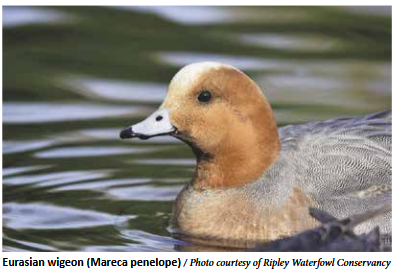
It is no easy task providing for the care and feeding of such a diverse avian population. The day starts early, with morning feeding. Specialized, high protein diets are necessary to promote good health and successful breeding. Various systems have been implemented to replicate natural gleaning, gathering, foraging and fishing techniques; techniques necessary, once these rare and vulnerable species are reintroduced to the wild.
These water birds are surveyed daily, noting nesting, illness or injury. Note, this Sanctuary has enacted sanitary procedures and managed to avoid avian flu. Unusual or aggressive behaviors may also suggest removal and isolation from their respective communities. Great care is taken to minimize handling and exposure to both caretakers and visitors. Even new hatchlings are surrounded by days old hatchlings to avoid imprinting or attachment to humans.
Much of the day involves the cleaning, care and maintenance of the varying habitats, as well as, watching the hatchery and those ill, injured or inoculated in the Preserve’s veterinary care actions. Responding to order requests from zoos, sanctuaries, and universities, selecting and preparing these orders for shipping also takes considerable planning and accommodation, as birds are delivered throughout the country and even overseas. As new species arrive, a quarantine and acclimation process is implemented, before placing them in a selected habitat.
A priority beyond, the daily care and maintenance of the Preserve, is the welcoming and education of visitors, introducing them to the various species of waterfowl, and shorebirds, pheasants, and raptors, teaching them to appreciate their unique roles in our ecosystems; dispersing seed, pollination, pest and disease control, protecting and cleaning toxins and pollutants from our wetlands and natural waterways. Since our birds are most sensitive to our ever changing environment, it is most important to be proactive, to protect and ensure the survival of these rare and diversified species!
 Ripley opens its preserve to visitors, Fridays, Saturdays and Sundays from 10am-4pm, beginning the first weekend in May and closing after the last weekend in November. Special group tours may be arranged by appointment, year round. Ripley also offers youngsters week long opportunities to recognize, learn, care for and work with avian residents during the summer months.