Risks of Open Burning
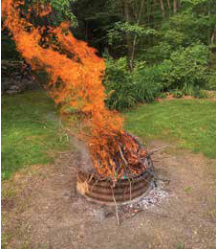
All open burning poses risks to the environment and public health. Smoke pollutes the air we breathe. Ash pollutes our soil, groundwater, lakes, rivers and streams. Burning anything in the outdoors can cause a wildfire. Burning only approved materials and following state and local regulations can minimize the potential for these harmful effects. Burning prohibited materials, such as garbage, plastic and painted or treated wood, is harmful to the environment because these materials release toxic chemicals that pollute our air. Residue from burning also contaminates the soil and groundwater, and can enter the human food chain through crops and livestock. In addition, certain chemicals released by burning can accumulate in the fats of animals. When humans consume meats, fish and dairy products we also “eat” these chemicals.
Air pollution: Smoke and soot can travel long distances. Both odors and smoke residue can enter houses or can impact anything outside of houses, like cars or hanging laundry. The gases released by open burning can also corrode metal siding and damage paint on buildings. If that is the damage to metals and buildings, what is it doing to our lungs, our immune systems; our general health? And what of those already impacted with health issues? When household waste, like wood and leaves, are burned, smoke enters our atmosphere. This smoke contains vapors and particulate matter (solid and liquid droplets suspended in the air) that impacts human health. People exposed to these air pollutants experience eye and nose irritation, difficulty breathing, coughing and headaches. People with existing heart disease, asthma, emphysema or other respiratory diseases are especially sensitive to air pollutants. Other health problems aggravated by burning include lung infections, pneumonia, bronchiolitis and allergies.
Burning trash can cause long-term health problems. The toxic chemicals released during burning include nitrogen oxides, sulfur dioxide, volatile organic chemicals (VOCs) and polycyclic organic matter (POMs). Burning plastic and treated wood releases heavy metals and toxic chemicals, such as dioxin. Dioxins tend to adhere to the waxy surface of leaves and enter the food chain in this way. Even if certain types of plastic (such as polyethylene or polypropylene) do not contain chlorine, other materials attached to or burned with the plastic may be a chlorine source.
Other chemicals released into the air include benzo[a]pyrene (BAP) and polyaromatic hydrocarbons (PAHs), which have both been shown to cause cancer. If agricultural bags or containers are contaminated with pesticides or other harmful substances, those will also be released into the air.
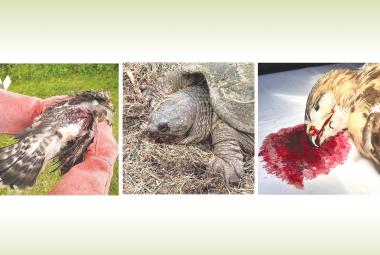
Compounding these air-borne contaminants are the unburned portions of the plastic which become litter on the ground and in lakes, rivers, and oceans. As it disintegrates, animals may eat the plastic and may become ill. When we eat them, we are, literally, eating the plastic we throw away. In addition, larger pieces of plastic can become a breeding ground for diseases, by trapping water and becoming a habitat for mosquitoes, further encumbering humans with potential disease.
Any fire will create ash waste. While wood ash contains some nutrients required by plants for healthy growth, ash is harmful for our lakes, ponds, rivers and oceans. Ash contains phosphorous, potassium and trace amounts of micro-nutrients, such as iron, manganese, boron, copper and zinc, all of which can disrupt the delicate ecosystems of water bodies. For example, phosphorus is a powerful growth agent that stimulates algae growth in water bodies. Too much algae can result in the formation of scum, foul odors, low oxygen in the water and offensive views. Disposal of ash waste in a licensed landfill can avoid these problems as well as the avoidance of burning near a waterway or shoreline which kills vegetation and changes the soil structure resulting in soil erosion into these bodies.
Did you know that debris burning is the one of the major causes of wildfires, and annually accounts for thousands of acres of forested land unintentionally burned, and hundreds of structures threatened every year? Uncontrolled fires pose a serious threat to public safety, property and our natural resources. While wildfire damage can be visually disturbing and physically disruptive, the negative environmental impacts often continue after the flames are contained. Tree mortality, invasive plants, erosion and road instability are just some of the consequences landowners face after a wildfire. A tragic reality of some fires is the human cost. It is possible to sustain serious burn injuries, and in some cases lose lives, when attempting to suppress an escaped fire. However, the majority of fatalities are indirectly related to the fire (e.g., cardiac arrest due to excessive smoke inhalation, or from the physical or emotional trauma of trying to extinguish the fire). PLEASE NOTE: If a fire escapes your control, never try to suppress the fire yourself. Dial 911 immediately. Uncontrolled wildfires can be dangerous for both those responsible for or immediately impacted by the fire, as well as emergency responders, who are forced to engage in high-risk suppression efforts that may compromise their health and safety.
Now that we know of the impacts of burning, what are the alternatives?
Instead of burning your grass clippings, leaves and wood scraps, turn them into DIY free mulch and use it around your flower beds and gardens. Weeds struggle to pop up through mulch, and the organic materials help regulate temperature and moisture while enriching your soil. To do this simply shred autumn leaves with your lawn mower before bagging them with your grass clippings, then spread a thin layer at the base of your plants.
If you have lots of wood scraps from trimming or removing a tree, make your own wood chips. Instead of purchasing and hauling mulch bags from a home improvement store, rent a wood chipper or shredder. Wood mulch lasts longer than grass and leaves, and it provides a more traditional appearance to your landscaping.
To further a zero waste life cycle consider combining your yard waste with some of your and food scraps through composting. Composting is much easier than you think. You can even start a small, indoor compost bin just for kitchen scraps. If you want to recycle kitchen and yard waste items, building a large backyard compost bin or barrel tumbler is the way to go. You can also find ready-made composting containers and accessories online.
The EPA’s biggest and most basic backyard composting tip is to get your ratio right. Your three ingredients are greens, browns and water. Grass clippings, flowers, leaves, coffee grounds and fruit and vegetable scraps are all examples of greens. Twigs, dead leaves, cardboard and sawdust are all examples of browns. Although there is some routine maintenance, including watering and turning the pile, composting is an easy way to recycle yard waste and bolster the health of your yard.
If you are not the composting type you could try building brush piles in your yard to create a sanctuary for our wildlife. Birds, salamanders, snakes, turtles, an small mammals would appreciate the helping hand by providing a place for these creatures to hide from their many predators.
In times of extreme winter weather a brush pile is the perfect shelter and particularly vital for protecting our birds. If your property is void of mature evergreen shrubs and trees that birds need for protective cover, evergreen foliage placed over a brush pile during the winter months will create a dry interior birds can safely roost in.
Many insect species are also attracted to the decaying wood and will make it their home. Insects found in brush piles are an additional source of protein-rich food for woodpeckers and other bug eating animals.
Over time these brush piles will decompose and return a great deal of nutrients back to the soil. You could also speed up this process by seeding a nitrogen fixing plant, such as clover or native wild flowers under your brush pile. This will help the brush turn into a collective part of your yard as the cover plants grow out through the pile, while simultaneously taking nutrients from the brush as it decomposes. For more information you can contact NWCD (Northwest Conservation District) for specifics on composting and alternatives to burning.
References:
https://moderndayselfreliance.com/5-better-things-to-do-with-brush-than-burning-it/
https://phys.org/news/2021-01-solid-global-threat-human-health.html