Inviting Birds to Your Yard
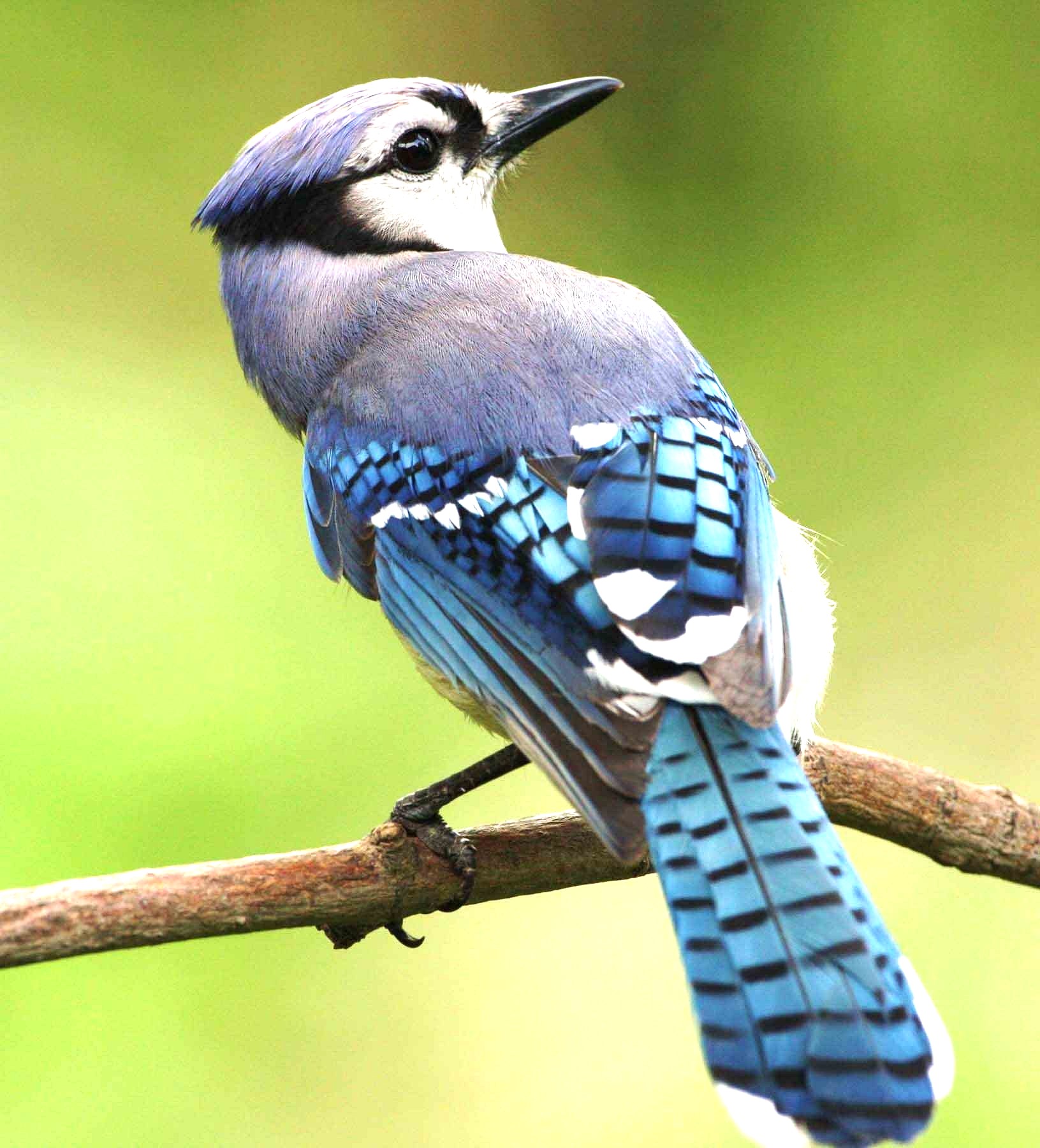
When I was still a preschooler, taken under my grandmother’s wing, I first learned about birds from her garden. It all began with a fledgling blue jay, that had ‘fallen’ from its nest in the overhanging branches of her nearby peach tree.
The little jay caught my attention as it hobbled about her garden, somewhat disorientated. “Grandma! Grandma! I need a little box, a shoebox”, I begged, as I ran about the house, grabbing Kleenex and cotton balls.
“What’s this all about? Come. Show me,” she asked. Grabbing her hand, I dragged her to the garden spot where the little jay had been…we spotted him a yard away. “He’s OK, he’s just learning how to fly,” she laughed.
As if to footnote this, Mama Jay soared toward us in a defensive swoop coming within inches of Grandma’s shoulder, and my head. “Come, back off some. Sit, and watch.” Sure enough, Mama Jay returned to her fledgling, watching over him, coaxing him to flutter, catch the wind, and rise up to a low slat on the rose arch, climb up some, then smoothly glide back to the ground. This was repeated throughout late morning into afternoon, as Mama Jay returned with grubs and insects for her remaining nestlings, all while watching and prodding her fledgling.
I learned about a variety of birds in my grandma’s garden. The Jays, eating sunflower seeds and grubs, kept smaller birds from pecking at her ripening tomatoes. Robins grabbed grubs and worms from her lawn. Sparrows enjoyed a variety of seeds. Swallows caught insects in mid-air. Smaller birds, like hummingbirds, pollinated her flowers, while drinking their nectar.
My grandmother, with her small house and gardens, on less than 1/3 acre, just outside city limits, had surrounded herself with a balanced habitat, drawing in her local feathered friends. They worked together, in her vegetable and flower gardens, which were both beautiful and bountiful!
A vast majority of our lands have been developed for housing, business, government and transportation, reducing and polluting natural habitat, crowding and limiting wildlife. Using our private lands, urban, suburban, farm or forest, we can consciously recreate natural habitat, not by eliminating, but by accommodating and integrating the needs of wildlife, especially our birds.
How might you make your home and gardens more attractive and safer for birds?
Provide for their basic needs: shelter, food, water and safe nesting areas. Consider your yard, what can you offer?
My grandmother’s house had a small front lawn, so no, she couldn’t attract field or game birds, nor could she attract waterfowl as she didn’t live near a lake or stream. She could attract a wide variety of smaller birds. She planted small shrubs and bushes along her front border, buffering birds and small wildlife from street traffic. Flowering bushes, perennials; forsythia, lilac, azaleas flourished alongside her home. Smaller flowers, hosta, iris, marigolds, pansies, petunias, hugged their roots. She enjoyed a small, sloped front lawn, as well as a comfortable, level back lawn and sitting area. Her garden lay just beyond, with a rose arch trellis and birdbath entryway. Beyond this, her back neighbor had built a wood posted wire divider fence. She graced that with climbing roses, morning glories, flowering vines. She left a 1-foot buffer of wildflowers and grasses and a narrow path in between.
Grandma never fenced in her garden but simply surrounded it by a mower path. Her neighbor’s garage shaded her back corner aside a tall birch tree. So, she used the corner for brush and compost, letting it grow wild. This area was bordered by my uncle’s overturned rowboat, wild raspberries, a flourishing rhododendron and a mountain laurel, crowded in, to hide it all. She framed her east border with grape vines running alongside her garden, and azaleas bordering her back lawn. A pair of conifers grew near the property line offering some privacy. Dogwoods, small fruit trees and a large oak tree blocked the late afternoon sun in back on the west side.
This small area provided safety and shelter. It was ideal for nesting especially with an annual garden of flowers and vegetables. While Grandma had no running water to offer, she did fill her birdbath daily with her tea kettle; that was enough to keep her birds happy.
This avian paradise was not hazard free. Predators; an owl family, neighborhood cats, weasels, possums, racoons and snakes, were and still are natural threats. Its nature’s way of keeping a balance.
Today our birds face chemical threats from fertilizers, pesticides, insecticides, herbicides, contaminated water, both directly and indirectly impacting their food chain.
It’s not possible to protect the entire biosphere from all of this. However, when we consciously minimize personal usage, we can significantly reduce its impact on our families, homes, gardens, pets and wildlife. We can use organic fertilizers, composting fruits and vegetable matter, leaves and grasses, wood chips and ash. We can use manure. When necessary, choose selective pesticides, insecticides, and herbicides. Look for short term, biodegradable natural ingredients. Use them specifically as directed. We can narrow our scope by focusing explicitly on the problematic species, limiting location and timing our interventions to interrupt reproductive cycles.
We won’t return to Grandma’s garden but we can mitigate the detrimental impact of chemistry on our birds, our wildlife, and ultimately, our lives. And you will help the birds you protect today come back to your yard for many tomorrows to come.