Selecting & Storing Fresh Produce
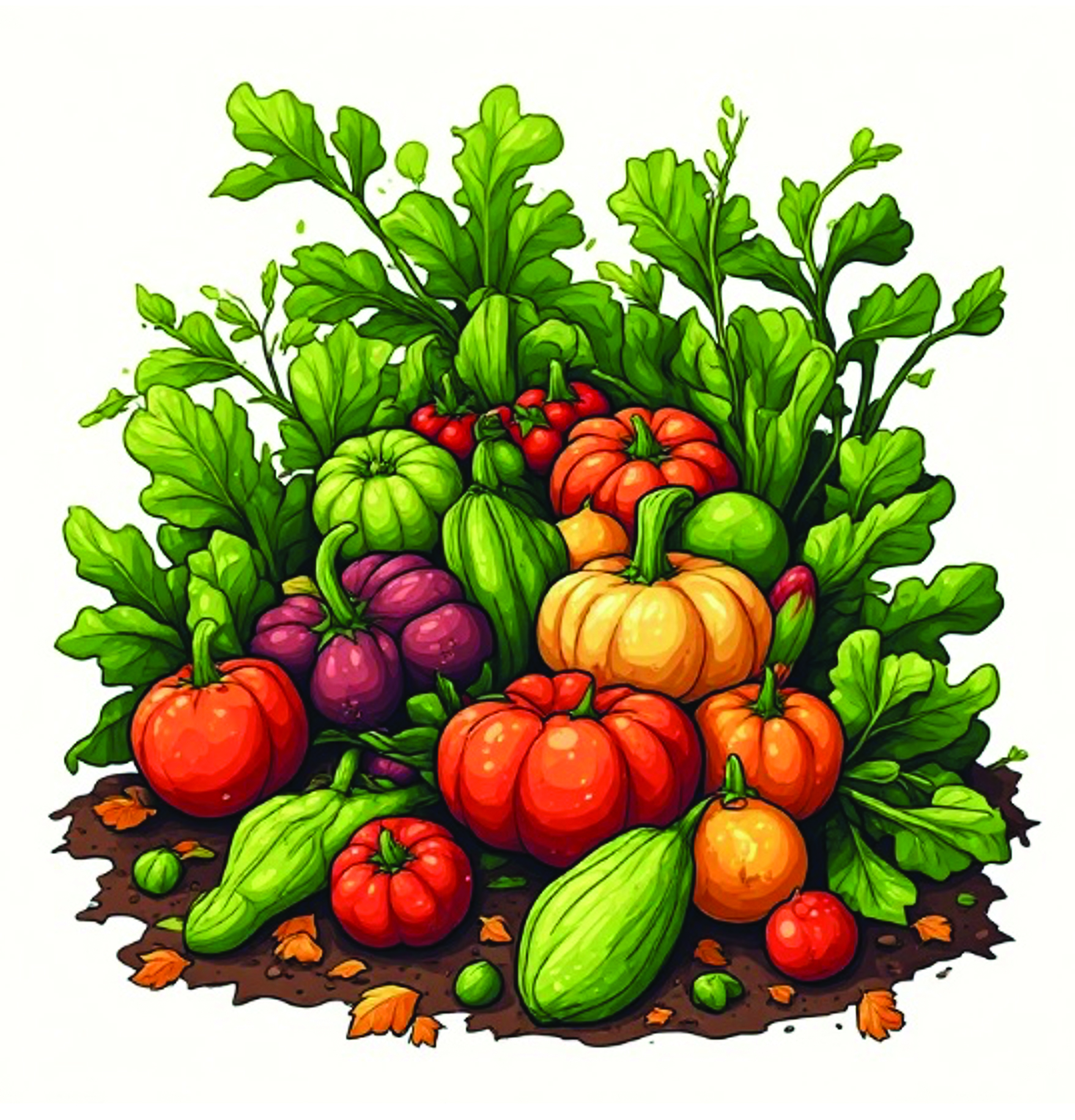
Here, in Connecticut’s Northwest Corner, our farms and gardens are in the season of abundance, teeming with fresh produce. This season begins in mid-July and runs through late September or until the first frost.
At first, we’re excited over our firsts; our first asparagus, lettuce, peas, broccoli, beans, tomatoes, etc. Then it’s a matter of planning meals that vary our garden’s treasures, sharing with family, friends and neighbors, or frequenting outlets like farm stands, farmer’s markets, local restaurants and small grocers, while they’re all still fresh.
Whether we’ve just picked it out of the garden, or grabbed it from a market, we know our veggies must be used soon, not only to enjoy flavor and freshness, but for optimum vitamin and mineral value. “But that’s more than I can use right now!” you think to yourself, as you unload your veggies…or “Will these still be good for Friday night?” The answer, in most cases, is “Yes!” But it does take a little care and planning.
Initially, in picking and choosing, the wise gardener weeds, waters and watches his plants as they develop “fruits”. For sharing or sales, veggies should be picked before maturity, as it’s impossible to guess when the consumer will put them to use. Most veggies will continue to ripen on their own, even in shipping. It’s good to keep this in mind, when selecting vegetables at market, especially if not using them right away.
Upon arriving home, check for damage before putting vegetables away. Anything that has been damaged should be cleaned and moved to the top of the menu. Vegetables that arrive in good condition can be stored.
Asparagus, celery, lettuce and leafy greens — do not wash until ready for use. The base (about 1 ½ inches) is best wrapped in a ½ sheet of paper towel, dropped in ¼ cup of water and stored upright in the refrigerator. Our asparagus has lasted almost a week. Leafy greens can last 3-4 days. Lettuce can last 10 days. Radicchio lasted a couple of months before we used it all. Our celery re-rooted and we planted it this spring!
Legumes, that is peas and beans, can last a week or more and can be picked at the brink of maturity, stored in plastic net bags, such as those that onions are sold in, and refrigerated. It’s good to shift them every couple of days, to avoid suffocation and rot at the bottom. After shelling, peas can last another four days under refrigeration.
Brassicas, like cabbage and Brussels sprouts, can be stored in brown paper bags or newspapers for almost a month, under refrigeration. Uncut Brussels sprouts can last even longer when left on the stalk. Broccoli and cauliflower as cut from the plant stem will last three to five days, gently wrapped, under refrigeration.
Corn should be harvested after tassels are brown and dry. Ears should snap off the stalks with a quick twist. Shucks should be green, not dry or yellowed. Kernels should be milky. After removing the outermost layer of shucks, corn can remain refrigerated for a week, preferably in a brown paper bag. Sugars will continue to convert to starches, losing sweetness over time.
Fruited vegetables, eggplant, peppers and tomatoes, last longer when left out, unrefrigerated, ideally at 65oF on a counter, away from the sun. To further ripen tomatoes, leave them on a warm, sunny windowsill. Hot peppers can be hung by the stem and will eventually dry.
Fresh picked cucumbers, summer squash and melons can also be left out, if kept cool and out of the sun, and can last several weeks. Winter squash and pumpkins, once hardened off (be sure the skin is thickened and cannot be pierced with your fingernail), can be kept in bushel baskets, stored in a cool, dry cellar, throughout the winter.
Root crops, beets, carrots, parsnips, turnips, and rutabagas should be harvested or purchased at your desired size. They can stay in ground until a killing frost, but can be subject to whitefly larva, voles, and moles. Potatoes should be harvested when their stems dry. Potatoes can be dried for a day or so, brushed off and stored in a bucket of sand in a cold cellar, or washed and stored in net bags in your vegetable bin. Potatoes may be stored unrefrigerated from 50-65oF. Onions and garlic, sun dried, and brushed clean can be hung by their stems or stemmed and stored in mesh bags, like potatoes. In a cold cellar (35-40oF), root crops can last 4-6 months.
If you don’t grow your own produce, buy local, whenever possible. Much of our grocer’s produce has been shipped over 1,500 miles. Miles that you pay for. Shipping compromises quality, both in handling and freshness. Usually shipping means 3-7 days from field to your grocer. Packaging minimizes damage during shipping, but you pay for that as well, only to have it end up in a landfill.
We grow about 1/3 more produce than is actually consumed, due to damage in shipping, packaging, and selection (or rather, rejection). Buying at farm stands or markets lets vendors drop prices on produce, offer donations of unsold produce to food kitchens, or feed remaining produce to livestock, minimizing waste.
Over 400 gallons of fossil fuel is used per person each year for planting, irrigating, spraying, tilling, harvesting, processing, baling and trucking produce from commercial farms. More is used in synthetic fertilizers, herbicides, and pesticides. This often becomes part of your dinner, your diet, your health. Shopping local not only minimizes fuel consumption, and reduces waste, but offers a fresher, tastier, healthier alternative.